

|
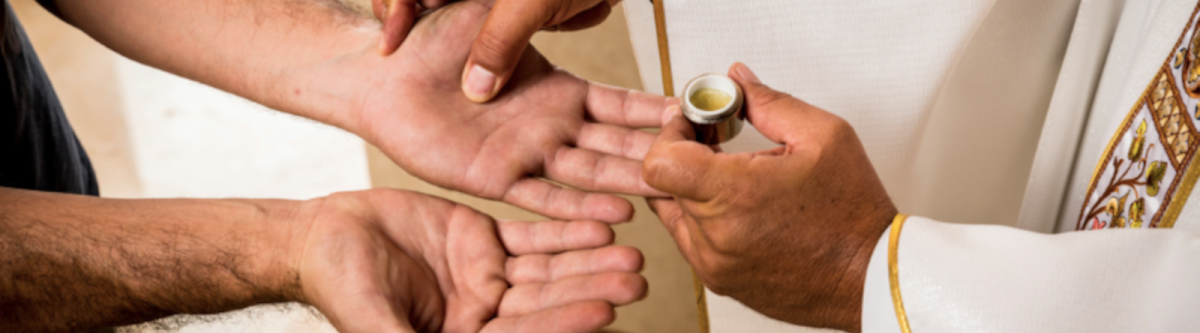
The Sacrament of the Anointing of the Sick gives strength and support and can be administered to anyone struggling with an illness. Sometimes known as Last Rites. If you or someone you know are needing to receive this sacrament, please call the Parish Office at 317-353-9404. Who may Receive?In the Catholic Church, Extreme Unction or the Last Rites is the anointing at the time of death. Since the Second Vatican Council, this sacrament is now called the Anointing of the Sick and has been broadened to offer healing and comfort in times of illness that may not lead to immediate death. Speaking about a wider implementation of this sacrament, Pope Paul VI advocated for “a wider availability of the sacrament and to extend it—within reasonable limits—even beyond cases of mortal illness." Unlike the traditional understanding of the Last Rites, the sacrament of the Anointing of the Sick is, ideally, to be administered in a communal celebration. The Catechism of the Catholic Church states that when the sick are anointed they should be "assisted by their pastor and the whole ecclesial community, which is invited to surround the sick in a special way through their prayers and fraternal attention" (1516). "Like all the sacraments the Anointing of the Sick is a liturgical and communal celebration…It is very fitting to celebrate it within the Eucharist" (1517). Spiritual HealingThe healing that occurs in this sacrament of anointing is not necessarily physical healing. While we believe that physical healing can occur through the great power of God, the grace that is infused through this special sacrament is the reminder of the eternal presence of God in our human suffering. When the priest blessing the oil of anointing, he asks God to "send the power of your Holy Spirit, the Consoler, into this precious oil. Make this oil a remedy for all who are anointed with it; heal them in body, in soul and in spirit, and deliver them from every affliction" (Pastoral Care of the Sick, #123). "The celebration of the Anointing of the Sick consists essentially in the anointing of the forehead and hands of the sick person (in the Roman Rite) or of other parts of the body (in the Eastern rite), the anointing being accompanied by the liturgical prayer of the celebrant asking for the special grace of this sacrament" (CCC 1531). Please contact the Parish Office if you need to schedule an anointing. We usually have at least one Parish Anointing Service during Lent. He summoned the Twelve and began to send them out two by two…They anointed with oil many who were sick and cured them. |
El Sacramento de la Unción de los Enfermos da fuerza y apoyo y puede administrarse a cualquier persona que luche contra una enfermedad. A veces se conoce como la extremaunción. Si usted o alguien que usted conoce necesita recibir este sacramento, por favor llame a la Oficina Parroquial al 317-353-9404. ¿Quién puede recibirla?En la Iglesia Católica, la Extremaunción o la extremaunción es la unción en el momento de la muerte. Desde el Concilio Vaticano II, este sacramento se denomina ahora Unción de los Enfermos y se ha ampliado para ofrecer curación y consuelo en momentos de enfermedad que pueden no conducir a la muerte inmediata. Hablando de una aplicación más amplia de este sacramento, el Papa Pablo VI abogó por "una mayor disponibilidad del sacramento y por extenderlo -dentro de límites razonables- incluso más allá de los casos de enfermedad mortal". A diferencia de la concepción tradicional de la extremaunción, el sacramento de la Unción de los enfermos debe administrarse, idealmente, en una celebración comunitaria. El Catecismo de la Iglesia Católica afirma que cuando los enfermos son ungidos deben ser "asistidos por su párroco y por toda la comunidad eclesial, a la que se invita a rodear al enfermo de modo especial con sus oraciones y atenciones fraternas" (1516). "Como todos los sacramentos, la Unción de los enfermos es una celebración litúrgica y comunitaria... Es muy oportuno celebrarla dentro de la Eucaristía" (1517). Curación espiritualLa curación que se produce en este sacramento de la unción no es necesariamente una curación física. Aunque creemos que la curación física puede producirse a través del gran poder de Dios, la gracia que se infunde a través de este sacramento especial es el recordatorio de la presencia eterna de Dios en nuestro sufrimiento humano. Cuando el sacerdote bendice el óleo de la unción, pide a Dios que "envíe el poder de tu Espíritu Santo, el Consolador, en este precioso óleo. Haz que este óleo sea un remedio para todos los que son ungidos con él; cúralos en el cuerpo, en el alma y en el espíritu, y líbralos de toda aflicción" (Pastoral de los enfermos, #123). "La celebración de la Unción de los Enfermos consiste esencialmente en la unción de la frente y de las manos del enfermo (en el rito romano) o de otras partes del cuerpo (en el rito oriental), unción que va acompañada de la oración litúrgica del celebrante pidiendo la gracia especial de este sacramento" (CIC 1531). Por favor, póngase en contacto con la Oficina Parroquial si necesita programar una unción. Normalmente tenemos al menos un Servicio Parroquial de Unción durante la Cuaresma. Llamó a los Doce y comenzó a enviarlos de dos en dos... Ungían con aceite a muchos enfermos y los curaban. |
Anointing of the Sick | Unción de los Enfermos